

What Is PEMF Therapy and How Does It Work
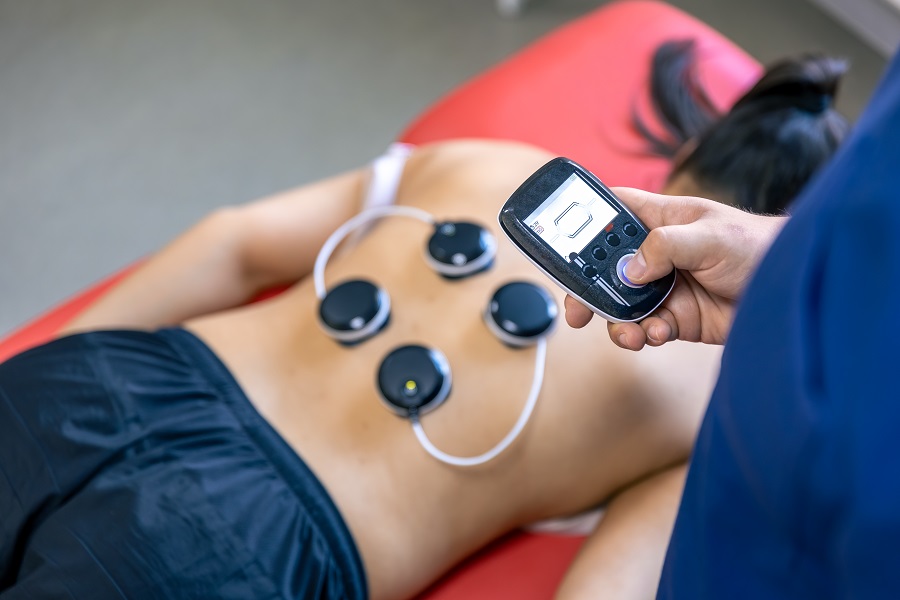
If you've been searching for alternatives to traditional pain management or ways to support your body’s recovery, you might've come across PEMF therapy. This method uses pulsed electromagnetic fields to reach deep into your tissues, aiming to trigger processes that help your body heal itself. It sounds promising, but what actually sets this technology apart—and is it truly as effective as some claim? There's more to this therapy than meets the eye.
What Is PEMF Therapy and How Does It Work?
PEMF therapy, or Pulsed Electromagnetic Field therapy, is a technique that utilizes non-invasive, low-frequency electromagnetic pulses to promote healing.
These pulses are delivered through devices such as mats or coils and are designed to penetrate tissues, facilitating cellular repair and altering the electrical activity within cells.
Research indicates that PEMF therapy can stimulate processes like protein phosphorylation and ATP production, which are crucial for tissue repair and reducing inflammation.
These benefits can be experienced using advanced PEMF devices, such as those offered by InnergyDev, which are engineered for precision, ease of use, and optimal therapeutic results. Learn more about those here:
https://innergydev.com/best-pemf-mats-for-2026/
Static Magnets vs Pulsed Electromagnetic Fields: What’s the Difference?
When comparing static magnets to pulsed electromagnetic fields (PEMF), it's essential to understand the fundamental differences in their effects.
Static magnetic therapy involves the use of permanent magnets that produce a constant and unchanging magnetic field.
This stable field doesn't actively interact with the body's cellular processes.
On the other hand, PEMF therapy employs magnetic fields that are pulsed, meaning they're intermittently activated.
This pulsing effect can stimulate cells in a dynamic manner, potentially enhancing nutrient exchange and communication between intracellular and extracellular environments.
This process may support healing in conditions such as inflammation or fractures.
High vs Low Frequency PEMF Therapy: Differences Explained
Understanding the differences between high and low frequency PEMF (Pulsed Electromagnetic Field) therapy involves examining their distinct mechanisms and applications.
High-frequency PEMF therapy utilizes short radio waves at a low intensity, primarily targeting soft tissues.
It's effective in reducing inflammation, aiding in the absorption of edemas, and facilitating recovery through mild cellular stimulation.
This form of therapy delivers signals in megahertz through radiant circuits, providing specific advantages for soft tissue-related conditions.
In contrast, low-frequency PEMF therapy employs high-intensity fields generated by skin-contact solenoids, measured in hertz.
This method is capable of deeper penetration, making it particularly suitable for addressing conditions such as bone fractures and arthritis.
Low-frequency PEMF therapy focuses on regenerating the biomagnetic field within the skeletal system, thus supporting tissue repair and bone healing.
Both types of PEMF therapy offer distinct benefits tailored to different medical needs.
Conditions Treated With PEMF Therapy
PEMF therapy is utilized for a range of medical conditions, offering a method to potentially accelerate healing and alleviate pain.
It's applied in cases such as osteoporosis, where it may support bone density and promote cellular regeneration.
For individuals with arthritis or arthrosis, PEMF therapy can help reduce joint inflammation, manage pain, and possibly improve mobility.
Clinically, it has been recognized for its ability to expedite the healing process of fractures, particularly non-union fractures, with FDA approval since 1979.
Additionally, PEMF therapy may benefit those with chronic pain conditions like lumbago and sciatica by enhancing blood flow, reducing swelling, and aiding in the recovery of affected tissues and joints.
Benefits and Safety Considerations of PEMF Therapy
PEMF therapy contributes to physical relief and broader wellness by improving circulation and enhancing cellular repair processes. It's particularly useful in managing conditions such as arthritis, fractures, and post-surgical recovery. Approved by the FDA since 1979, PEMF therapy is recognized for its safety and effectiveness. It supports healing by increasing ATP production, reducing inflammation, and accelerating tissue repair, which can result in reduced swelling and quicker recovery times. Additionally, PEMF therapy may improve sleep quality and mental clarity through the regulation of endorphins and adenosine levels.
While generally considered safe, certain precautions are necessary. Individuals who are pregnant, have a pacemaker, cancer, or severe arrhythmias should avoid using PEMF therapy. It's important to consult a healthcare professional before beginning any treatment to ensure it's appropriate for your specific health conditions.
Conclusion
PEMF therapy offers you a safe, non-invasive way to support your body’s natural healing. By using pulsed electromagnetic fields, you can boost cellular repair, reduce inflammation, and speed up recovery for various conditions. Understanding the differences between EMF types and their frequencies helps you choose the best treatment for your needs. With decades of FDA-approved use, you can feel confident about trying PEMF therapy to enhance your wellbeing and support your body’s overall health.
